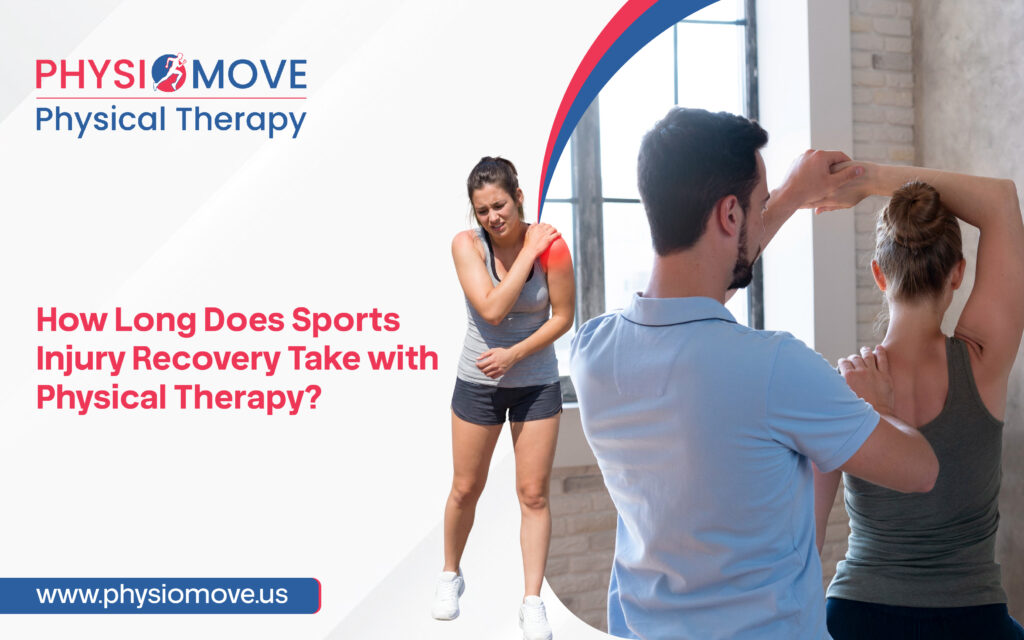
When you have been sidelined by a sports injury it is natural to ask how much time it will take to heal.
The solution is not a one-size-fits-all. The recovery duration will depend on the nature of the injury, the severity of the injury, your fitness level and adherence to the treatment program.
Having the appropriate treatment and organized sports injury therapy, many individuals can heal quicker and resume their routine without any harm.
Let’s understand what really affects your recovery and what you can expect.
What Really Impacts Your Recovery Time?
Recovery is not merely waiting until the pain subsides, it is what your body does to recover and restore your strength. A small strain can be cured within a short period and a ligament tear or a fracture can take a long time to heal since the tissue is more profoundly affected.
Some of the most important aspects that affect your recovery are:
- The nature and the extent of injury.
- Your age and fitness level in general.
- The earlyness of the treatment.
- Adherence to exercises and therapy.
- past trauma to the same place.
Even minor habits, such as missing exercises or omitting the early symptoms, may slow down the progress. It is consistency that counts.
Typical Recovery Timelines You Can Expect
Although each injury is unique, the majority of them have common recovery plans with proper Sports Injury Rehabilitation.
- Mild injuries (1–3 weeks): Light sprains and minor muscle strains tend to be healed fast with assisted movement.
- Moderate injuries (4–8 weeks): Tendons or ligaments sprains require organized rehabilitation and reintegration.
- Severe injuries (8 weeks to 6+ months): ACL tears, fractures, or post-surgery recovery require long-term therapy
These are approximated deadlines and not promises. It is up to the way your body reacts to the treatment and your dedication to the process that determines your actual recovery.
How Physical Therapy Speeds Up Recovery
Physical therapy helps you recover the right way, not just quickly. A physical therapy clinic in Levittown, PA specializes in restoring strength, mobility, and stability to enable you to resume activity safely.
Therapy promotes controlled movement as opposed to total rest. This enhances the circulation of blood, decreases rigidity and enables tissues to heal better. As time goes on, your therapist will modify your plan to suit your progress so that you are always making progress without overworking your body.
The aim is easy: to mitigate pain, restore strength and avoid the recurrence of the injury.
Understanding the Recovery Stages
Rehabilitation is a process that takes time and every stage has its significance in returning you to optimum performance.
- Pain relief stage: It aims at alleviating swelling and safeguarding the injured.
- Mobility phase: Aids in regaining movement and flexibility.
- Strength stage: develops muscle support to the injury.
- Functional phase: Trains your body to move in real-life or sport.
- Return to activity stage: Slowly resume normal activity.
Any of these steps may be skipped, and it may result in higher chances of re-injury hence the importance of guided therapy.
When Recovery Takes Longer Than Expected
The recovery does not always occur as per schedule. This may occur because of inappropriate rest, irregular therapy, or too early resuming activity.
In such cases, working with experts in sports injury therapy in Levittown PA ensures your treatment plan is adjusted based on your needs. This helps avoid setbacks and keeps your recovery on track.
Conclusion
Sports injuries are annoying, but the correct treatment can make everything. Through appropriate guidance and rehabilitation, you will be safe and will return with more strength.
We make a recovery plan similar to your injury and lifestyle at Physiomove. You can rely on us to help you get back to your feet, feel better and move more easily and efficiently, and get back to doing whatever you enjoy, whether it is a minor strain, or a chronic condition.