Jaw pain can be caused by stress and muscle tension, and can affect a person’s life more than they realise. It can be uncomfortable to eat, talk, and smile; even a yawn may be uncomfortable.
The pain is often linked with joint dysfunction. These temporomandibular joints and muscles can be very painful when you have joint dysfunction. It can cause a lot of discomfort.
This can cause pain in the jaw stiffness, in the jaw, headache. It can even limit the movement of the jaw. Physiotherapy can help you deal with these jaw symptoms without taking any medicine and physiotherapy can also help the jaw function.
Understanding TMJ Jaw Pain
The temporomandibular joint connects the jawbone to the skull. The Temporomandibular joint is an important part of our body because it lets us move our jaw up and down.
Common symptoms of TMJ dysfunction include:
- Jaw pain or tenderness
- Clicking or popping sounds while opening the mouth
- Difficulty chewing
- Frequent headaches
- Neck and shoulder tension
- Limited jaw movement
- Ear pain or pressure
How Stress Contributes to TMJ Dysfunction
Many people don’t realize that they are clenching their jaw when they work or when they are sleeping, or when they are in a situation. This is where Stress and the jaw joint may get to be an issue, as Stress may cause the jaw muscles to tighten up.
Over time, this may result in:
- Muscle fatigue
- Joint irritation
- Increased inflammation
- Facial pain and stiffness
- Poor posture affecting jaw alignment
Seeking professional TMJ dysfunction treatment early can help prevent the condition from becoming more severe.
How Physiotherapy Helps Relieve TMJ Pain
The aim of physiotherapy is to decrease muscle tension, increase joint mobility and restore normal jaw function. Based on the severity of symptoms and underlying cause of condition, a physiotherapist develops an individual plan of treatment.
Manual Therapy Techniques
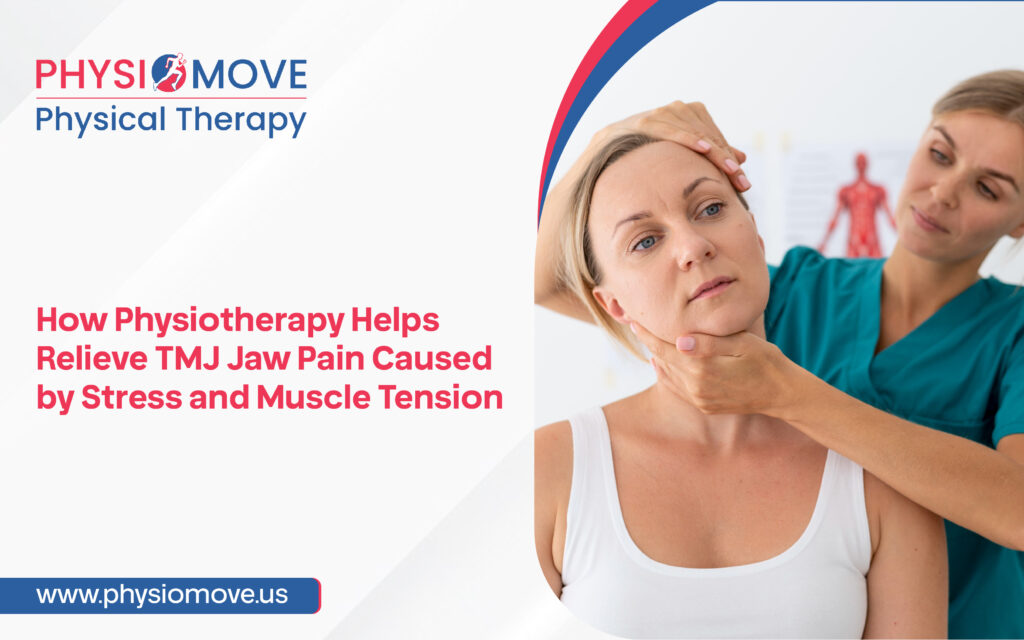
Practical therapy releases tight jaw muscles, neck muscles and facial muscles. There are gentle joint mobilisation techniques that can help to increase the movement of the joints and decrease their stiffness.
This treatment also helps aid in circulation around the muscles which aids in quicker healing and pain relief.
Muscle Relaxation Exercises
Specific jaw exercises restore flexibility in the jaw and decrease muscle tension. The exercises help to build up weak muscles and relax overactive muscles which can occur as a result of stress or clenched muscles.
Patients are also educated on relaxation exercises to alleviate inattention of the jaw during the day.
Posture Correction
Sitting for long periods of time at computers or hand-held devices with poor posture can lead to additional stress on neck and jaw muscles. Physio assesses posture and makes recommendations for posture correction to assist with good jaw alignment.
A reliable physical therapy clinic in Levittown, PA may also provide advice on how to change bad habits to alleviate TMJ symptoms.
Dry Needling and Soft Tissue Therapy
Dry needling or soft tissue release may be performed in some physiotherapy clinics to relieve tight muscles that contain trigger points. These treatments can alleviate chronic tension in the jaw, neck and shoulders.
Education for Long-Term Relief
Physiotherapy does not only focus on temporary relief. Patients also learn how to manage stress, avoid harmful jaw habits, and maintain healthy movement patterns to prevent recurring pain.
When to Seek Professional Help
If the pain takes a long time to get better or the pain is excessive, going on for weeks or months and causing interference in one’s activities, the issue cannot be ignored. Earlier intervention will help to prevent progression of symptoms and treatment outcome.
People seeking TMJ physical therapy in Levittown, PA can benefit from personalized physiotherapy treatments that help relieve stress-related muscle tension, reduce jaw pain, improve mobility, and restore healthy jaw function.
Conclusion
TMJ jaw pain caused by stress and muscle tension can make even simple daily activities uncomfortable, but it doesn’t have to become a long-term problem. With the right physiotherapy approach, it is possible to reduce pain, release muscle tension, improve jaw mobility, and restore normal function naturally.
At Physiomove, our experienced physiotherapists provide personalized treatment plans designed to address the root cause of TMJ dysfunction and help you achieve lasting relief. Take the first step toward a pain-free, healthier jaw with expert care you can trust.